Breast reduction

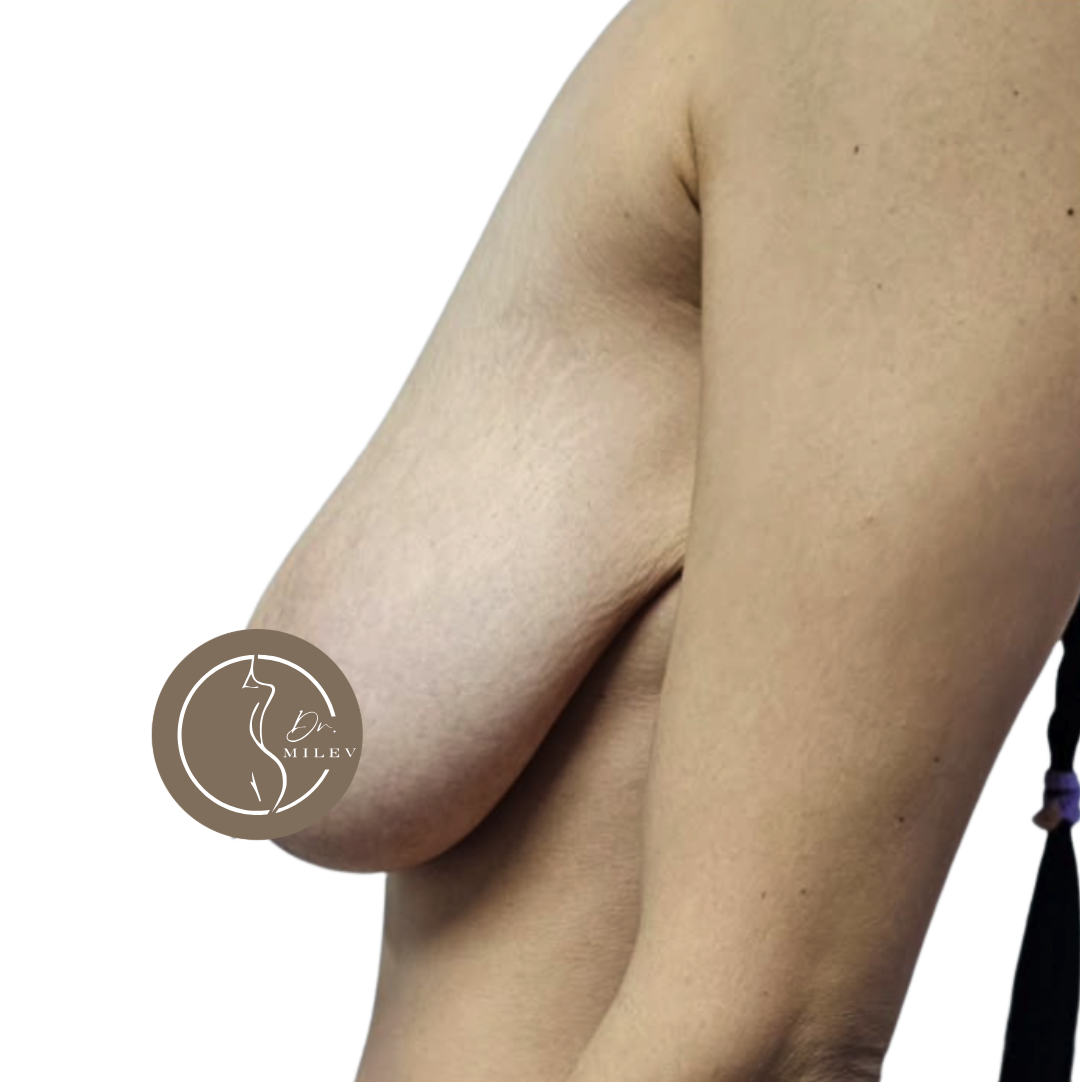
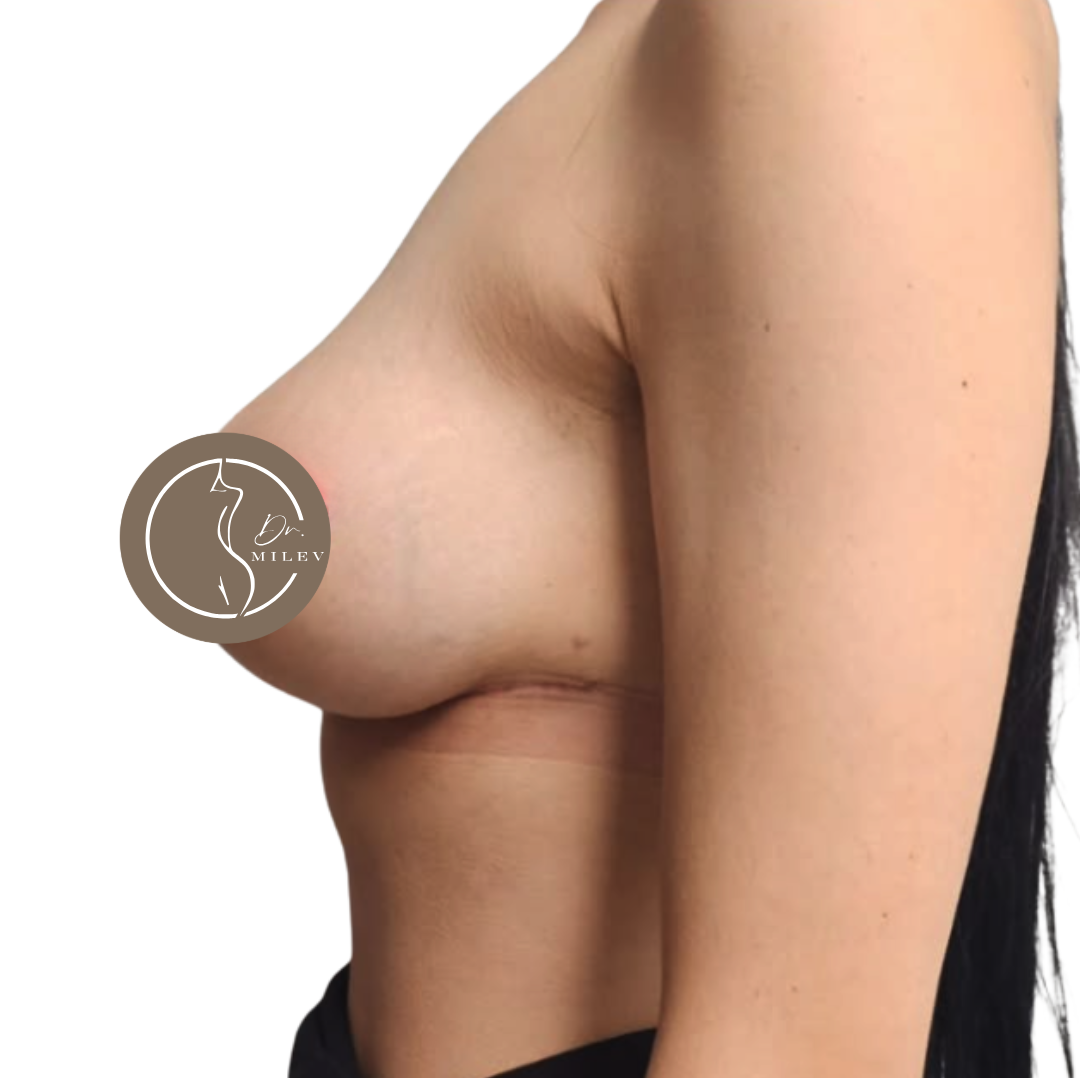
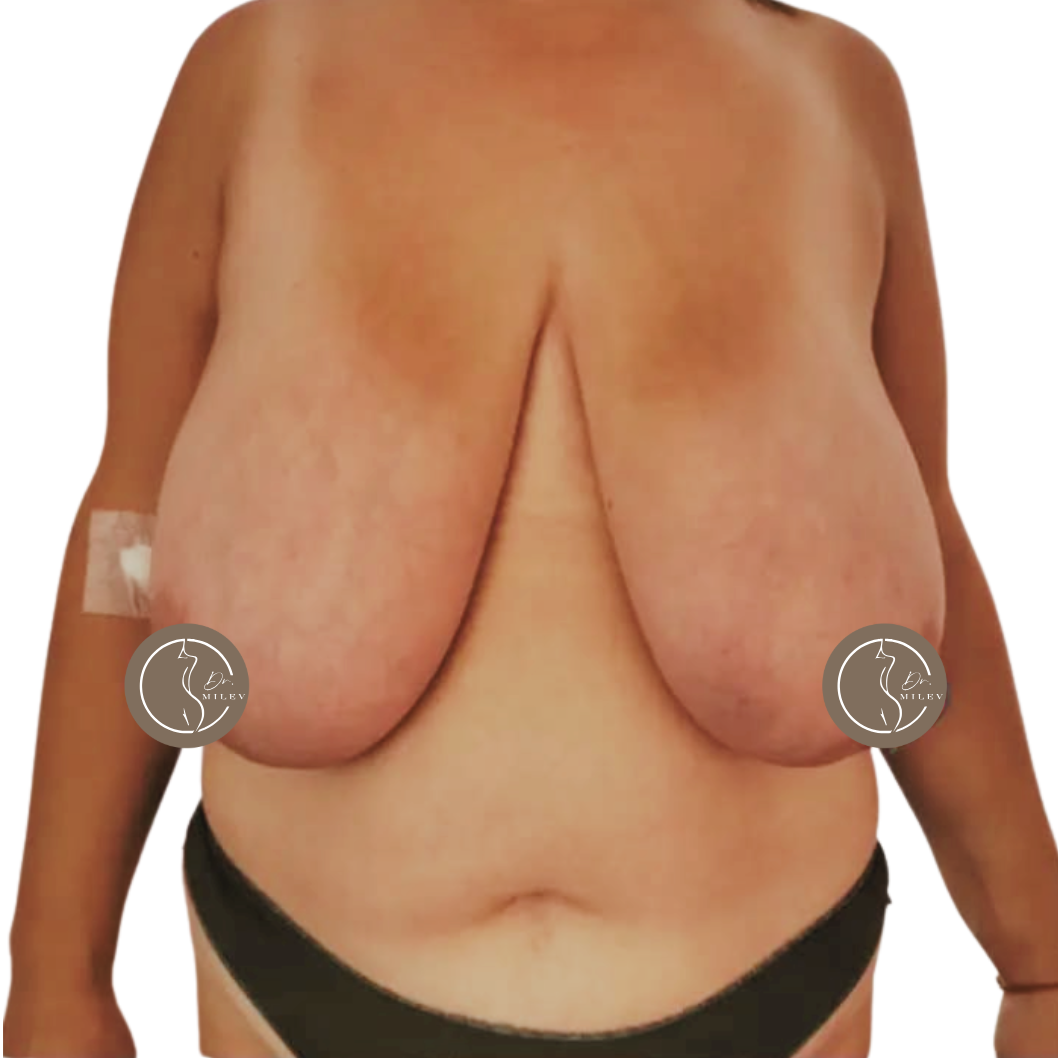
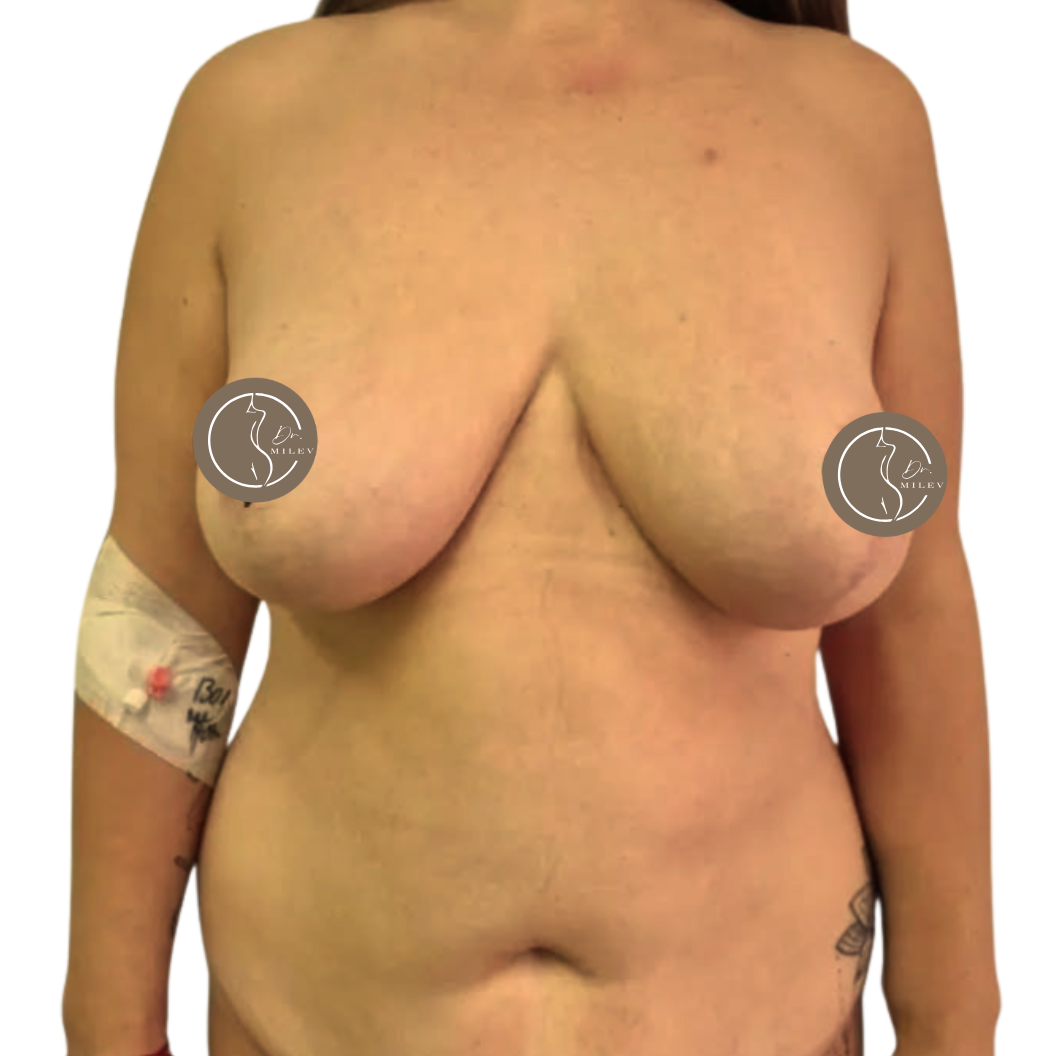
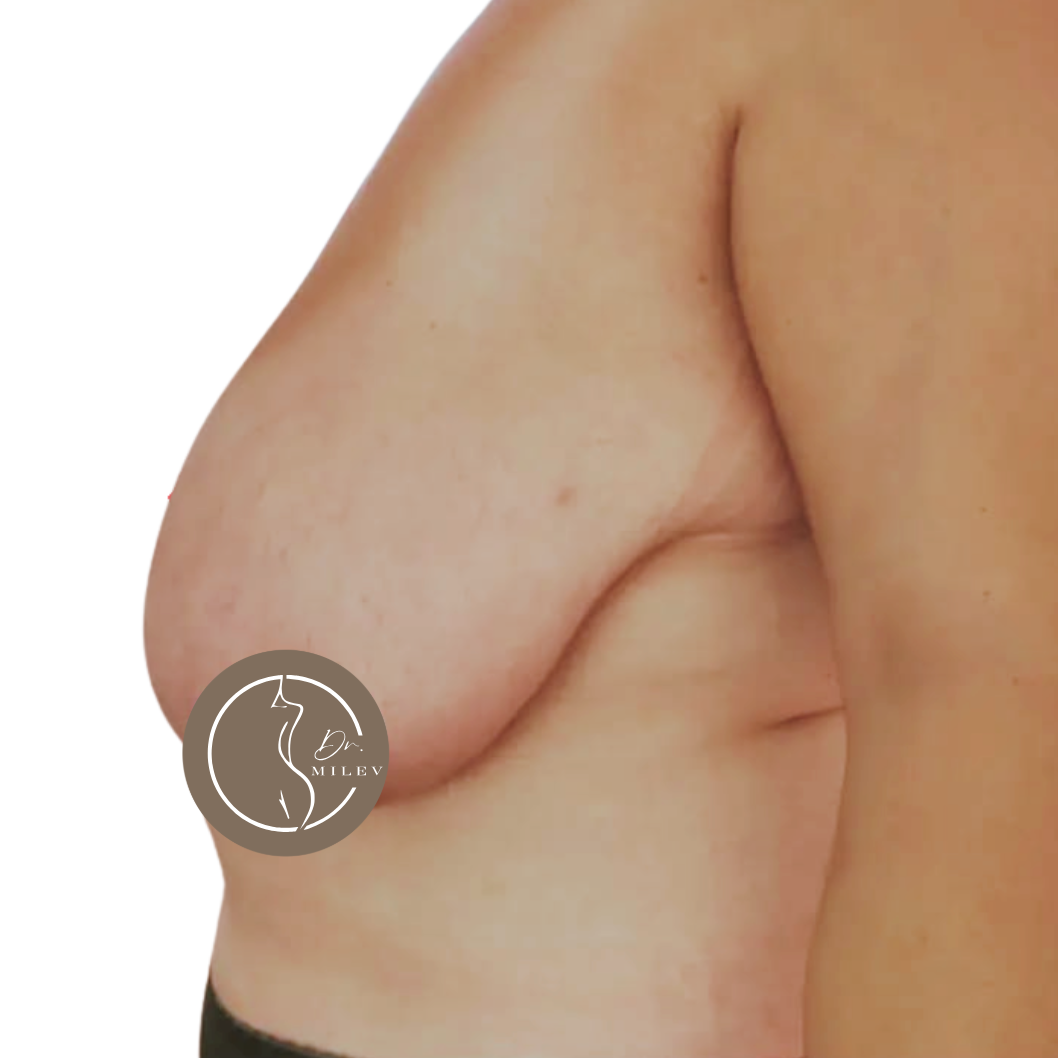
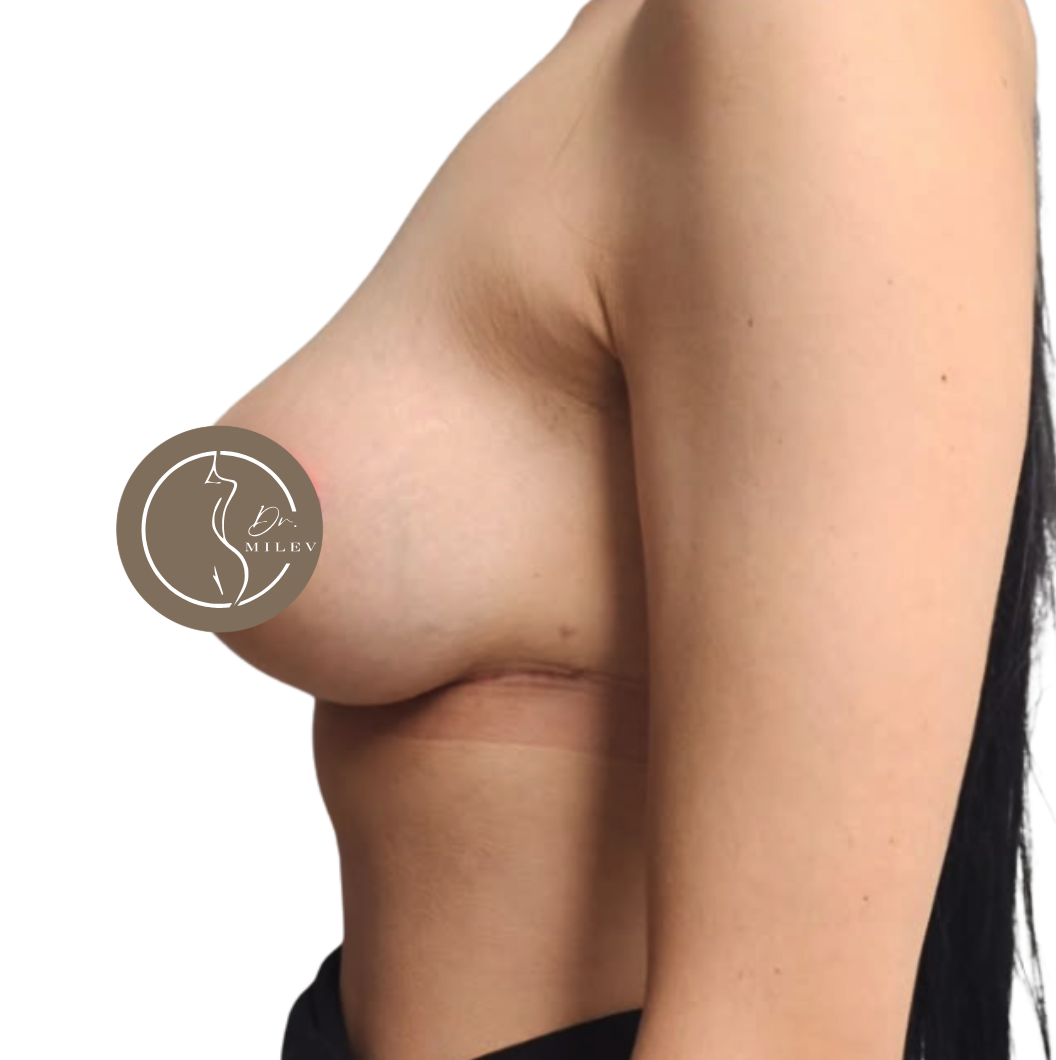
Breast reduction, also known as reduction mammoplasty, is a surgical procedure aimed at decreasing the size and volume of the breasts by removing excess tissue. It helps achieve a more proportionate silhouette and often relieves physical discomfort associated with overly large breasts, such as back, neck, and shoulder pain.

How Does the Procedure Work?

1. Preoperative Preparation

Before surgery, you’ll undergo routine blood tests and consultations with an anesthesiologist and cardiologist.
The procedure is performed under general anesthesia and typically lasts 2 to 4 hours. During surgery, the excess tissue is removed, and the breasts are reshaped to a smaller, more aesthetic and proportional form.

2. Surgical Techniques

Key methods for breast reduction include:

  • Anchor-shaped incision (inverted-T technique): Common for larger reductions, involving incisions around the areola, vertically downward, and along the breast fold.

  • Vertical incision: Suitable for moderate reduction, with fewer scars.

  • Liposuction: Occasionally used for additional contouring and fat removal.
    Drains may be placed depending on the surgeon’s discretion.

3. Recovery Period
  • After surgery, swelling, bruising, and moderate discomfort are common but subside over time.
    A special post-surgical bra is recommended to aid healing and provide support.

    • Return to daily activities: After 10–14 days

    • Avoid intense physical activity: For 4–6 weeks

    • Final results develop over several months as the breast shape settles.

4. Expected Results
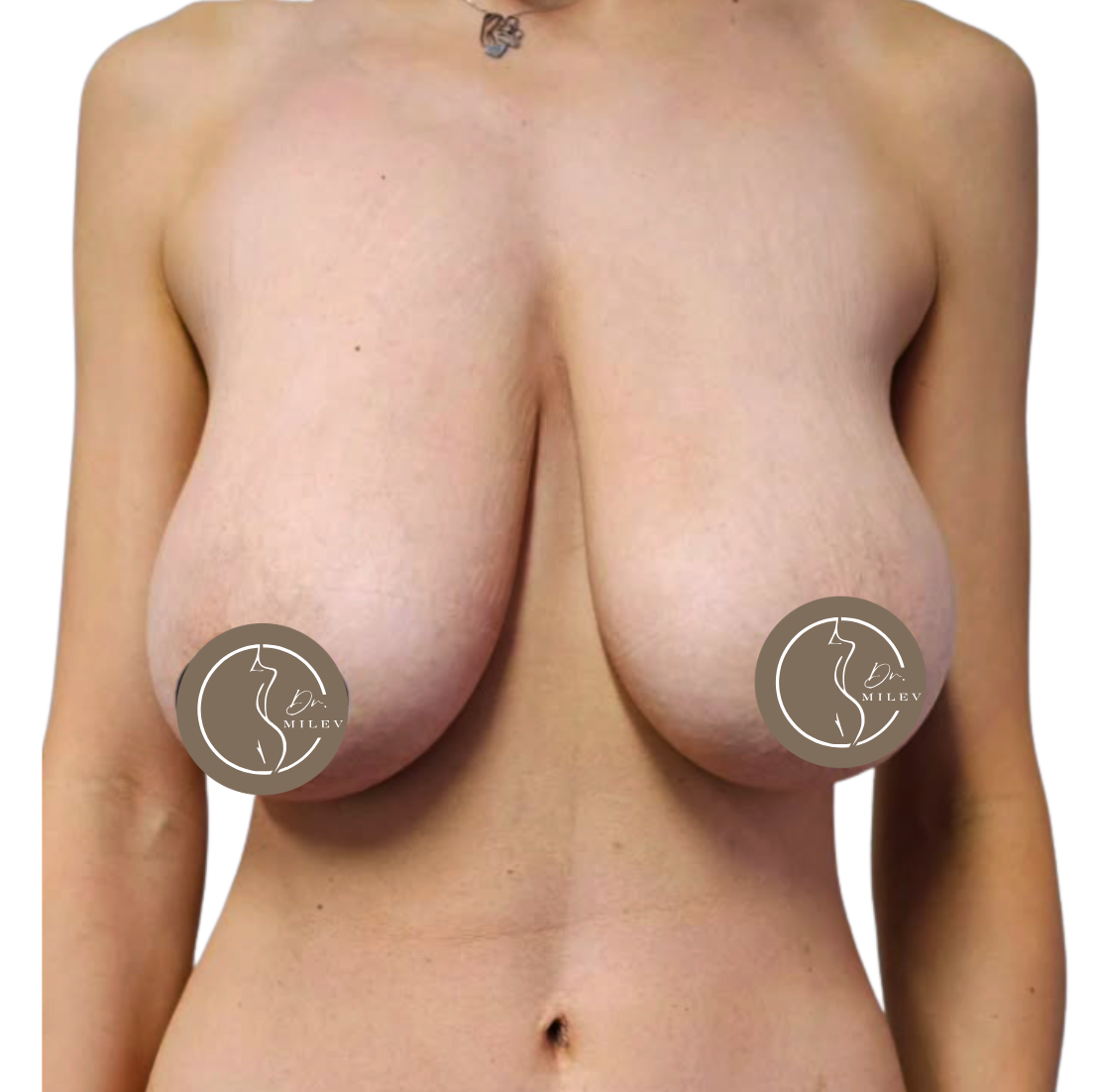
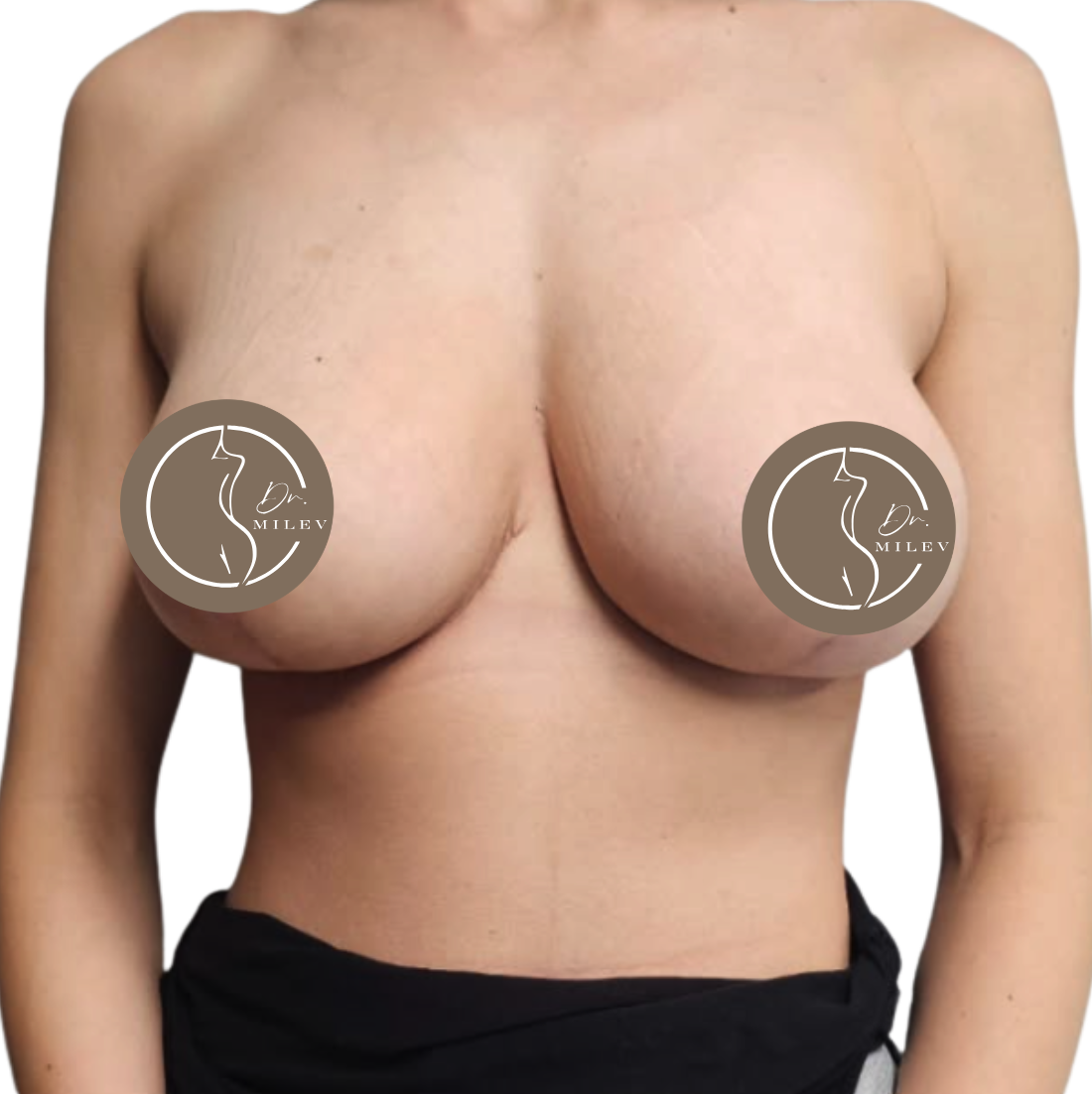
  • Smaller, lighter, and more symmetrical breasts

  • Relief from physical discomfort and improved posture

  • More comfort in clothing and physical activity

  • Boosted confidence and overall quality of life

  •  

Who Is a Good Candidate?

  • Women with excessively large breasts causing physical discomfort
  • Individuals experiencing back, neck, and shoulder pain
  • Women facing limitations in physical activity due to breast size
  • Anyone seeking a more aesthetic and proportionate appearance
Have a question?

Quick answers to things you might be wondering:

Will there be scars after surgery?

Yes, breast reduction involves scarring. However, incisions are made strategically to be as discreet as possible. With proper care, scars fade significantly over time.

Will breast or nipple sensitivity change?

Temporary numbness or changes in sensation around the nipples and breast skin can occur, but sensation often returns within a few months.

Will I still be able to breastfeed?

Breastfeeding capability depends on the surgical technique used and your individual anatomy. In some cases, milk ducts may be affected, so it’s important to discuss this with your surgeon beforehand.
Will the back and shoulder pain go away after surgery?

Yes, reducing breast size often significantly relieves chronic pain in the back, neck, and shoulders. Most patients notice a marked improvement in posture and overall comfort.

Gallery

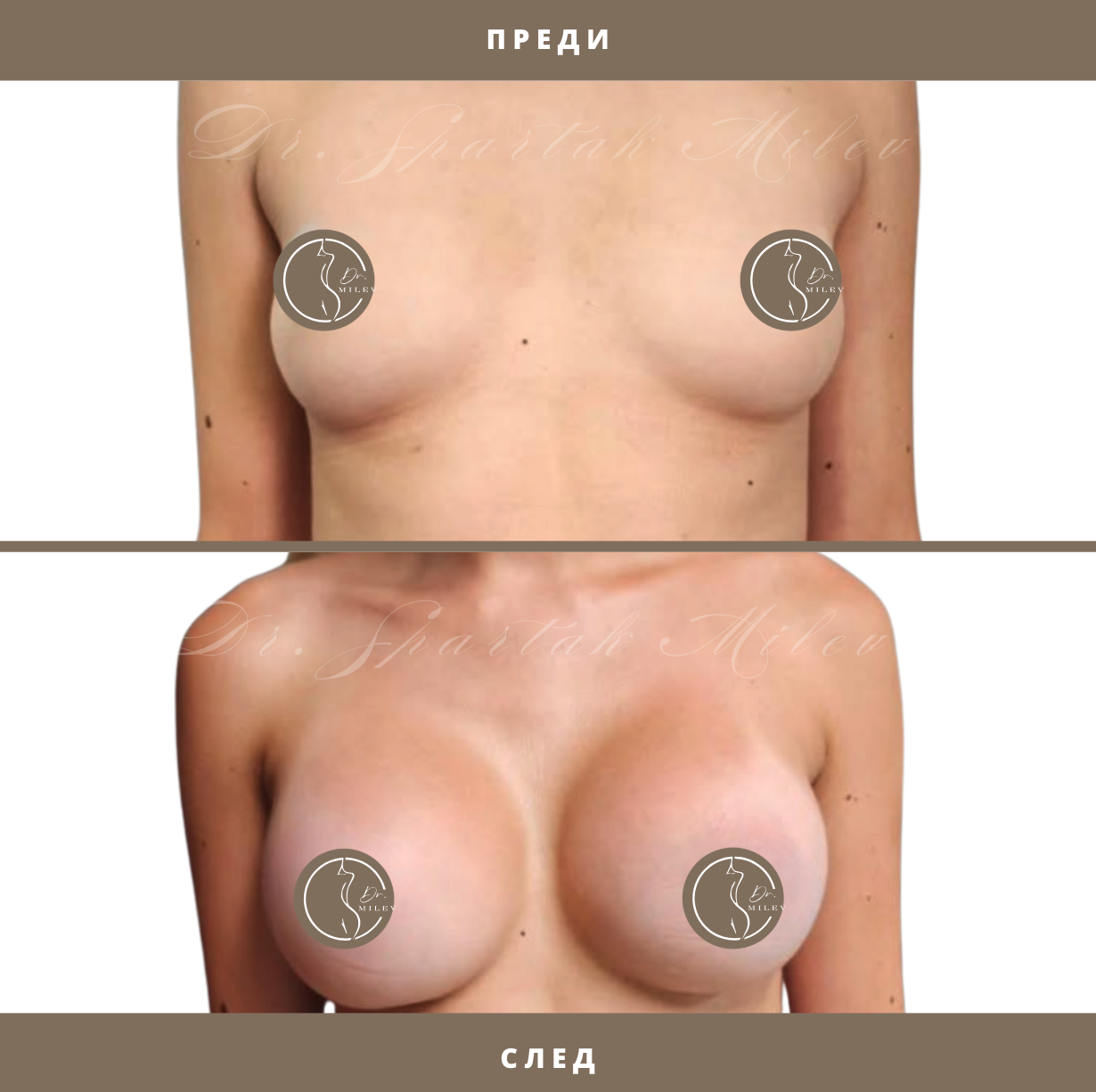
Results that speak for themselves

Before
After
Before
After
Before
After
Before
After